How to Prevent Plumbing Emergencies: Essential Tips for Homeowners and Small Businesses
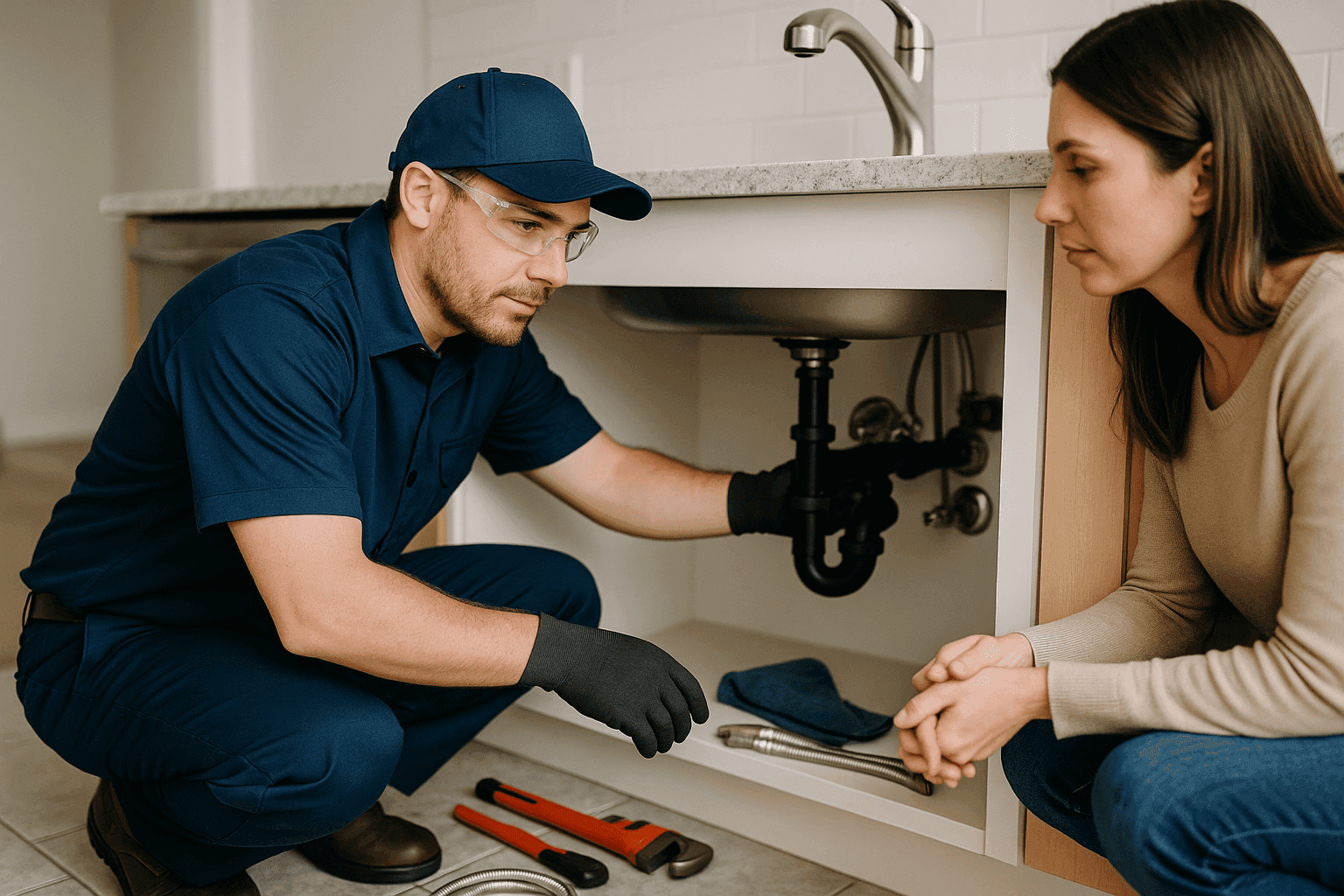
Is there ever a good time for a burst pipe? Or a toilet that overflows just as guests arrive? Plumbing emergencies never wait for convenience. They hit fast and hard—leaving water, worry, and unexpected bills in their wake.
At Steve’s Plumbing, we’ve seen it all. We know the headaches, the stress, and the cost. But we also know most plumbing emergencies can be prevented with a little foresight and a few regular habits. Let’s walk through how you can stay ahead of trouble—whether you’re managing a busy home or keeping your small business running smoothly.
The Most Common Plumbing Emergencies (And Why They Happen)
Some plumbing problems seem to spring out of nowhere. In reality, most disasters start as tiny issues—a drip, a clog, a cold snap that goes ignored. Here are the usual suspects:
- Burst Pipes: Often caused by freezing, corrosion, or high water pressure.
- Overflowing Toilets: Usually the result of blockages or faulty flappers.
- Sewer Backups: Tree roots, grease buildup, or broken lines are common culprits.
- Major Leaks: Old pipes, loose fittings, or failed seals can all lead to water damage.
- Water Heater Failures: Sediment buildup and neglected maintenance can mean cold showers and worse.
Each emergency brings inconvenience, property damage, and repair costs. According to the International Association of Certified Home Inspectors, water damage claims are among the most common insurance payouts for homeowners. The good news? Many of these situations can be avoided.
Quick Safety Checklist: Stop Trouble Before It Starts 🛑
Don’t wait for disaster. Here’s a simple checklist to keep your plumbing out of the danger zone:
- Know Your Main Shutoff: Find your water main valve. Teach everyone in your household or staff how to turn it off.
- Check for Drips: Inspect under sinks and around toilets for signs of leaks—dampness, stains, or musty smells.
- Test Water Pressure: High pressure can stress pipes. Use a gauge to check—ideally, it should be 40–60 psi.
- Inspect Hoses and Connectors: Look behind appliances like washers and dishwashers for cracks or bulges.
- Clear Drains Regularly: Avoid chemical drain cleaners. Use strainers and clean out hair or debris by hand.
- Watch for Slow Drains: Slow drainage can signal a clog deep in the line.
- Listen for Running Water: If you hear water when nothing’s on, investigate immediately.
- Know the Age of Your Pipes: Older plumbing is more prone to leaks and bursts.
DIY or Call a Pro? Knowing Your Limits
Some fixes are as simple as tightening a loose nut. Others need a trained hand. Here’s how to tell:
DIY-Friendly Tasks
- Unclogging Drains: Plungers and hand augers work for minor blockages.
- Replacing Washers: A leaky faucet often just needs a new washer or cartridge.
- Insulating Pipes: Foam sleeves are easy to install and help prevent freezing.
- Cleaning Aerators: Unscrew and rinse out faucet aerators to keep water flowing.
When to Call Steve’s Plumbing
- Persistent Leaks: If tightening or replacing washers doesn’t stop the drip, the problem may be deeper.
- Low Water Pressure Throughout: This could signal a major leak or supply issue.
- Sewer Smells: Persistent odors mean there may be a break or blockage in the sewer line.
- No Hot Water: Water heater issues, especially with gas models, require professional attention.
- Gas Line Work: Never DIY gas line repairs or installations—this is a serious safety risk.
What Pros Do On Arrival
When you call Steve’s Plumbing for emergency plumbing, you get more than a quick fix. Our technicians start with a thorough assessment:
- Visual Inspection: We check visible pipes, fixtures, and appliances.
- Leak Detection Tools: Using moisture meters and thermal cameras, we find hidden leaks.
- Pipe Pressure Testing: We measure system pressure to spot weaknesses.
- Drain and Sewer Camera Inspections: Small cameras reveal blockages or damage inside pipes.
- Backflow Testing: Especially important for businesses, this keeps your water supply safe.
- Safety Checks: For gas lines and water heaters, we follow standards set by the International Plumbing Code and National Fire Protection Association.
Our goal? Solve the immediate problem, then help you prevent the next one.
Prevention & Maintenance: Your Best Defense
Think of plumbing like a car. Regular tune-ups keep it running smooth and avoid breakdowns. Here’s how to keep your system healthy year-round.
Seasonal Maintenance Tips
Winter
- Insulate Exposed Pipes: Garages, basements, and crawlspaces are the most vulnerable.
- Disconnect Outdoor Hoses: Prevents trapped water from freezing and bursting pipes.
- Seal Gaps: Cold air sneaking in can freeze pipes—seal cracks around foundations and walls.
Spring
- Check for Leaks: Melting snow and rain can reveal hidden leaks.
- Test Sump Pump: Pour water into the pit to ensure it activates and drains properly.
- Inspect Water Heater: Look for rust, leaks, or strange noises.
Summer
- Monitor Water Pressure: Increased outdoor use can strain pipes.
- Clean Gutters and Drains: Prevents backups and water pooling near foundations.
- Backflow Testing: Especially if you have irrigation systems.
Fall
- Flush Water Heater: Removes sediment and extends lifespan.
- Check Fixtures: Tighten loose faucets and replace worn washers.
- Inspect Sewer Lines: Tree roots love to grow into pipes this time of year.
Early Warning Signs to Watch For
- Unexplained Water Bills: A sudden spike often signals a hidden leak.
- Stains or Soft Spots: On walls, ceilings, or floors—classic leak indicators.
- Mold or Mildew: Persistent dampness breeds mold, which can harm health and structure.
- Odd Noises: Banging, gurgling, or whistling pipes need attention.
The Importance of Professional Maintenance
Even with diligent DIY care, some problems hide deep in walls or underground. That’s where professional preventative maintenance plans shine:
- Annual Inspections: A trained eye spots trouble before it grows.
- Backflow Prevention: Keeps drinking water safe, as required by plumbing codes.
- Sump Pump and Water Heater Checks: Ensures critical systems work when you need them.
- Gas Safety Checks: Essential for any property with gas appliances or heating.
Steve’s Plumbing follows industry standards and uses up-to-date tools to keep your system in top shape.
Costs & Time Factors: What to Expect
Plumbing emergencies can drain your wallet and your time. Here’s what you need to know:
- Emergency Repairs: These often cost more due to after-hours calls and the urgency of the fix.
- Water Damage Restoration: The longer a leak goes undetected, the more expensive the repairs—think drywall, flooring, and mold remediation.
- Preventative Maintenance: Usually takes just a couple of hours per year and can save thousands in avoided repairs.
- Replacement Parts: Some fixes are as simple as a new washer, while others—like repiping or sewer line replacement—require more time and investment.
According to the Insurance Information Institute, water damage and freezing account for nearly a quarter of all homeowner insurance claims. The takeaway? A little prevention goes a long way.
When It’s an Emergency (And What to Do)
Not sure if you’re facing an emergency? Here are some clear signs:
- Water Everywhere: Major leaks, burst pipes, or overflowing toilets that won’t stop.
- No Water at All: Total loss of supply can signal a serious main line issue.
- Sewage Backups: Any sign of sewage indoors is a health hazard—call immediately.
- Gas Smell: Leave the building and call for help if you suspect a gas leak.
What to Do:
- Shut Off Water: Use the main valve to stop the flow.
- Turn Off Electricity: If water is near outlets or appliances, cut the power.
- Move Valuables: Protect furniture, electronics, and important documents.
- Call Steve’s Plumbing: The sooner we arrive, the less damage you’ll face.
Frequently Asked Questions
How often should I have my plumbing inspected?
For most homes and small businesses, an annual inspection is ideal. If you have older pipes or frequent issues, consider twice a year.
What are the warning signs of a hidden leak?
Watch for unexplained water bills, stains, soft spots on walls or floors, musty odors, or mold growth. If you suspect a leak, don’t wait—get it checked.
Is it safe to use chemical drain cleaners?
We don’t recommend it. Chemical cleaners can damage pipes over time and are hazardous if used incorrectly. Mechanical methods (like plungers or drain snakes) are safer.
Do I really need backflow testing?
Yes. Backflow testing protects your drinking water from contamination—especially important for businesses, properties with irrigation, or anyone required by plumbing codes.
Special Considerations for Homes and Small Businesses
Every property is unique. Homes often face issues with aging fixtures, while small businesses might deal with higher usage or specialized equipment (like commercial kitchens or restrooms). Some key points:
- Businesses: Regular backflow prevention and grease trap cleaning are often required by health and safety codes.
- Homes: Pay extra attention to bathrooms, kitchens, and laundry rooms—these see the most action.
- Shared Buildings: If you’re in a multi-unit property, coordinate maintenance with neighbors or building management.
Remember, even new properties can develop problems—especially if maintenance is skipped.
Plumbing emergencies don’t have to be inevitable. With a watchful eye, a few seasonal habits, and the right professional support, you can keep your property safe, dry, and running smoothly all year long.
Call Steve's Plumbing now — or reach us anytime at 844-484-5832 .